
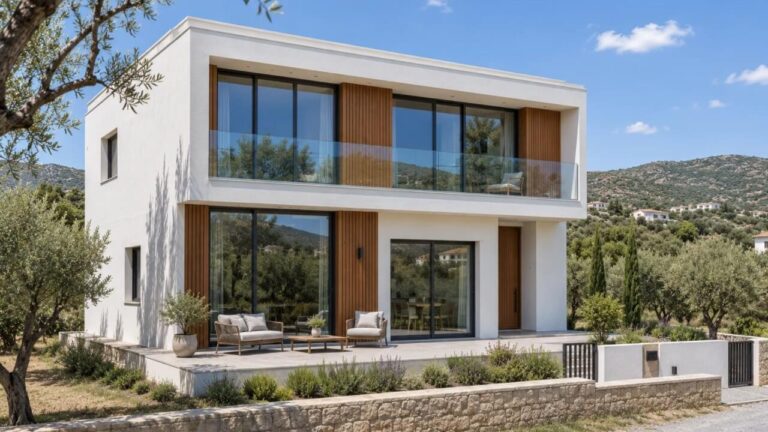
Finding a piece of land in Cyprus that feels just right is exciting. Maybe it overlooks the Mediterranean, sits in a quiet village, or offers enough space for a modern villa with a swimming pool.
You’ve probably already imagined where the terrace will go and how the living room will catch the afternoon sun.
Unfortunately, buying the land is only the beginning.
Before anyone starts digging foundations, several important questions need answers.
Can you legally build there? How much construction is permitted? What will it cost to prepare the site?
Building a home in Cyprus involves planning regulations, technical inspections, permits, and financial decisions that can affect your entire project.
So, what actually happens after you’ve found your plot?
Know the Land Before You Start Building
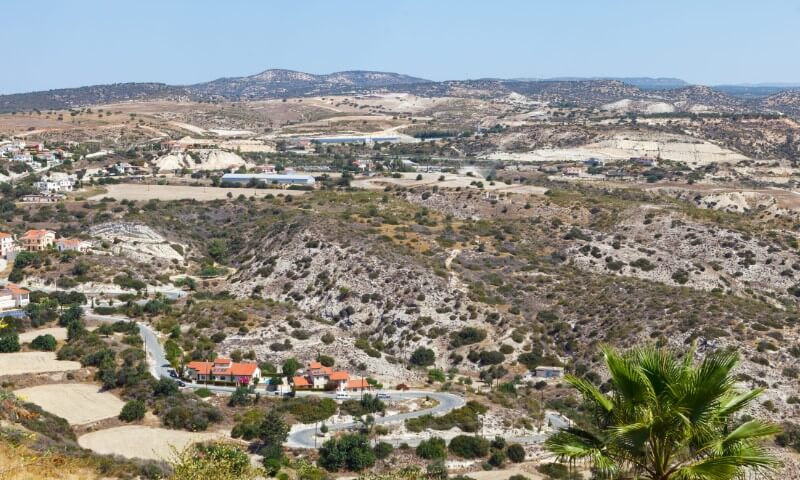
A beautiful plot can hide some expensive surprises.
Cyprus has plenty of sloping terrain, rocky ground, and areas where drainage requires careful planning.
For example, a hillside plot might offer spectacular sea views but require retaining walls, excavation, and specially designed foundations.
Even relatively flat land can present problems if the underlying soil has poor bearing capacity.
Professional investigations help identify these risks before construction begins.
A topographical survey establishes ground levels and physical features, while an official property demarcation procedure can establish registered boundaries. A geotechnical investigation examines soil and rock conditions to help engineers design suitable foundations.
Geological assessments can also be mandatory. Cyprus’s geological suitability classifications impose additional investigation requirements on certain plots, including properties in Geological Suitability Zones 01 and 02 under applicable conditions.
Utility availability deserves equal attention.
Check the distance to electricity and water networks, the availability of sewer connections, and any need for an approved wastewater treatment system.
A plot advertised at a bargain price can quickly lose its financial advantage if connecting essential services requires extensive infrastructure work.
Planning Permission, Building Permits, and Paperwork
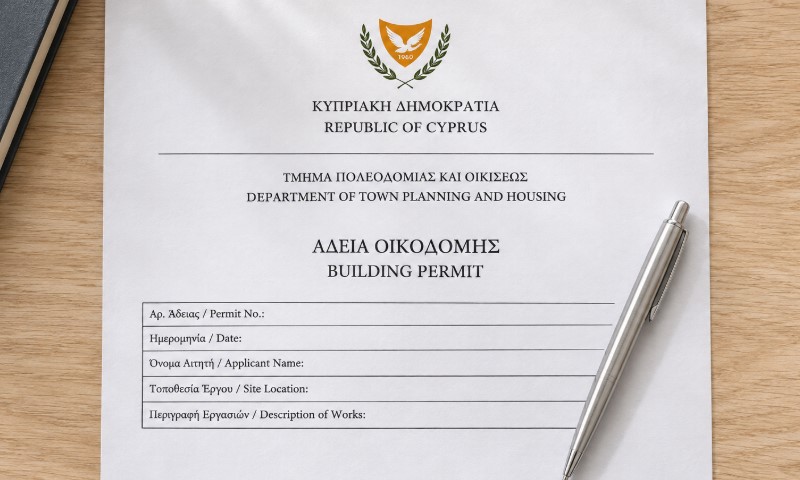
Getting permission to build in Cyprus involves more than submitting architectural drawings.
Two main authorizations typically apply to residential construction.
Planning permission establishes if a proposed development complies with applicable zoning regulations, permitted land use, building dimensions, and other planning requirements.
A building permit addresses the technical and regulatory requirements for construction, including structural design, building safety, and relevant engineering documentation.
Cyprus’s official planning permission procedures explain the legal framework governing development applications.
An architect usually coordinates the design and application process alongside structural engineers and other specialists.
Homeowners who prefer a more coordinated approach can consider design-and-build services from Elythera Homes, particularly when planning a steel-frame property and looking to simplify the transition between design and construction.
Required documentation can include architectural drawings, structural calculations, topographical plans, engineering studies, and property ownership records.
Since July 1, 2024, building permit responsibilities have been handled by the five District Local Government Organizations. Applications are submitted electronically through the IPPODAMOS system.
Certain qualifying developments may benefit from simplified or accelerated procedures, although eligibility depends on the project’s characteristics and applicable regulations.
Approval timelines vary. Straightforward residential projects may move through the process more quickly, while applications involving planning departures, geological concerns, or additional consultations can take considerably longer.
Most importantly, construction requiring authorization cannot legally begin until the necessary permissions are secured.
How Much Does Building on Land in Cyprus Really Cost?
View this post on Instagram
Buying land for €100,000 doesn’t mean you’ve covered the biggest financial hurdle.
Construction costs depend on:
- Home’s size
- Structural system
- Materials
- Finishes
- Location
- Site conditions
A realistic budget should account for several categories.
| Expense | What it typically covers |
| Architectural and engineering fees | Design, structural calculations, technical studies, and professional supervision |
| Permits and surveys | Applications, inspections, topographical surveys, and geological investigations |
| Site preparation | Excavation, leveling, drainage, and retaining walls |
| Foundations | Groundworks and structural foundations suited to the soil |
| Utility connections | Electricity, water, wastewater, and telecommunications |
| External works | Driveways, fencing, terraces, landscaping, and potentially a pool |
One expense buyers frequently underestimate is site preparation.
Imagine comparing two hypothetical plots.
Plot A costs €90,000 but needs €35,000 in additional excavation, retaining structures, and service access. Plot B costs €110,000 and needs just €8,000 in comparable preparation.
Plot B costs €7,000 less at this stage, despite its higher purchase price. Figures are hypothetical and exclude taxes, professional fees, construction, and other expenses.
Practical comparisons like these explain why the cheapest land isn’t necessarily the most economical choice.
Budgeting an additional 10% to 15% of estimated construction and site-work costs as contingency can provide a useful planning allowance, although complex sites may require more. Actual reserves should depend on the project’s risks and the certainty of contractor quotations.
Remember to account for applicable VAT, transaction expenses, and financing costs separately.
From an Empty Plot to Your New Home
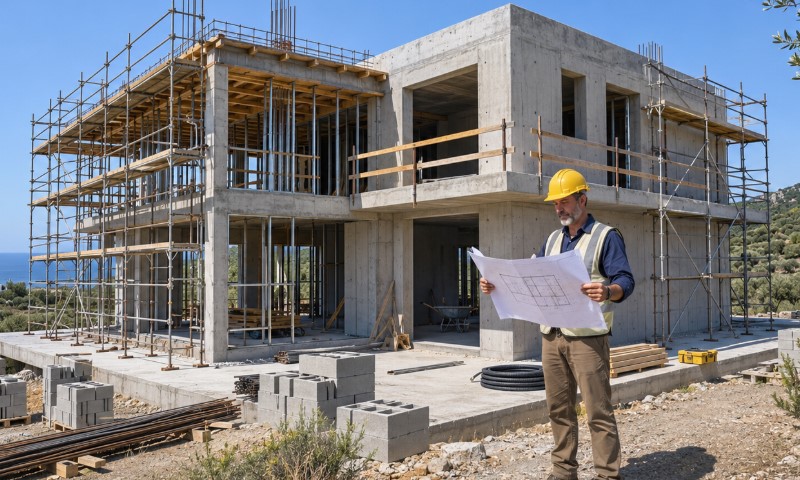
Once the necessary investigations and approvals are completed, your architect can help turn your ideas into a practical building design.
Good design considers much more than appearance.
Cyprus experiences long, hot summers, making building orientation, shading, ventilation, and insulation particularly important.
A well-positioned home can take advantage of natural light while limiting excessive summer heat.
Construction generally follows a recognizable sequence.
| Construction Stage | Step 1 | Step 2 | Step 3 |
| Site Preparation | Site clearing | Access preparation | Excavation |
| Foundations | Groundwork | Foundation construction | Structural compliance |
| Structural Construction | Framework | Floors and roof | External walls |
| Technical Installations | Electrical systems | Plumbing | Ventilation |
| Finishing Work | Interior finishes | Exterior finishes | Landscaping |
Choosing reliable contractors is equally important. Cyprus requires building contractors to hold professional registration and an annual license, making verification of their credentials an essential step before signing an agreement.
Avoid agreeing to substantial advance payments without appropriate contractual protections.
A written construction agreement should also address project timelines, variations, workmanship standards, insurance, and procedures for handling disputes.
Weather conditions, material shortages, and unexpected underground obstacles can cause delays. Clear communication between the architect, engineers, and contractor helps identify problems before they become major expenses.
FAQs
Closing Thoughts
Building a home in Cyprus can be incredibly rewarding, especially when you have the freedom to design a property around your lifestyle.
Yet beautiful views and an attractive asking price tell only part of the story.
A successful project begins with a plot that has suitable development rights, manageable site conditions, and realistic construction costs.
Get qualified professionals involved early, confirm the necessary approvals, and allow financial flexibility for unexpected expenses.
With proper preparation, that empty piece of land can eventually become the home you’ve been imagining.