
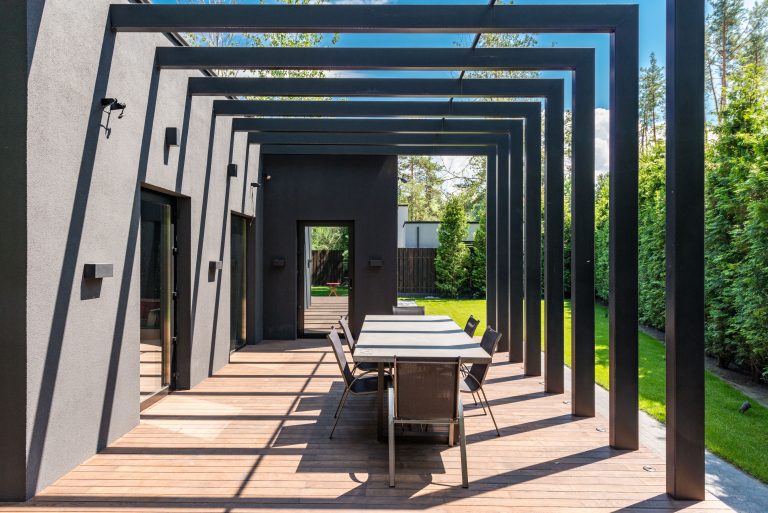
A backyard patio can feel like a second living room, but many outdoor spaces end up as chores instead. Boards need sanding, cushions get mildew, and plants demand constant trimming. The good news is that a stylish outdoor area does not have to be high maintenance. With a few smart decisions about layout, materials, furniture, and plants, you can build a space that looks inviting for years with only a little regular care.
Table of Contents
- Plan the Layout Before You Buy Anything
- Choose Low-Upkeep Decking Materials
- Pick Furniture and Seating That Ages Well
- Build Hardscape With Stone and Gravel
- Plant a Low-Water Garden
- Add Lighting and Soft Layers
- Follow a Simple Maintenance Routine
- Final Thoughts
Plan the Layout Before You Buy Anything
Most maintenance problems start with poor planning. A patio that sits in constant shade may grow moss, while a deck placed under a tree may collect leaves and sap every week. Before you order materials, spend time observing the space at different times of day and in different seasons.
Consider these questions as you sketch your plan:
- Sun exposure: South-facing areas get the most heat and UV, which affects fabrics, finishes, and plant health.
- Drainage: Low spots that hold water lead to algae, slippery surfaces, and damaged foundations.
- Traffic paths: Clear routes between the house, grill, and seating reduce the number of footprints and debris scattered across the surface.
- Zones: Separate dining, lounging, and cooking areas so each one can be cleaned and maintained on its own schedule.
Choose Low-Upkeep Decking Materials
Decking is often the largest visible surface in an outdoor living area, so it deserves careful thought. Traditional pressure-treated lumber is affordable, but it usually needs cleaning and a fresh protective finish every year or two. Composite and PVC boards cost more upfront but generally require much less work over time.
The table below compares common options. Lifespan and upkeep figures are general ranges drawn from manufacturer and industry guidance, and they vary with climate, product line, and how well the deck is cared for.
Even low-maintenance materials need some attention. Composite boards can collect dirt and may stain if spills sit for a long time, so it helps to:
- Clean spills promptly with mild soap and water.
- Use the cleaner and brush recommended by the manufacturer, since harsh chemicals can dull the surface.
- Check the wood framing underneath once a year, especially near water, because the frame still needs protection.
Pick Furniture and Seating That Ages Well
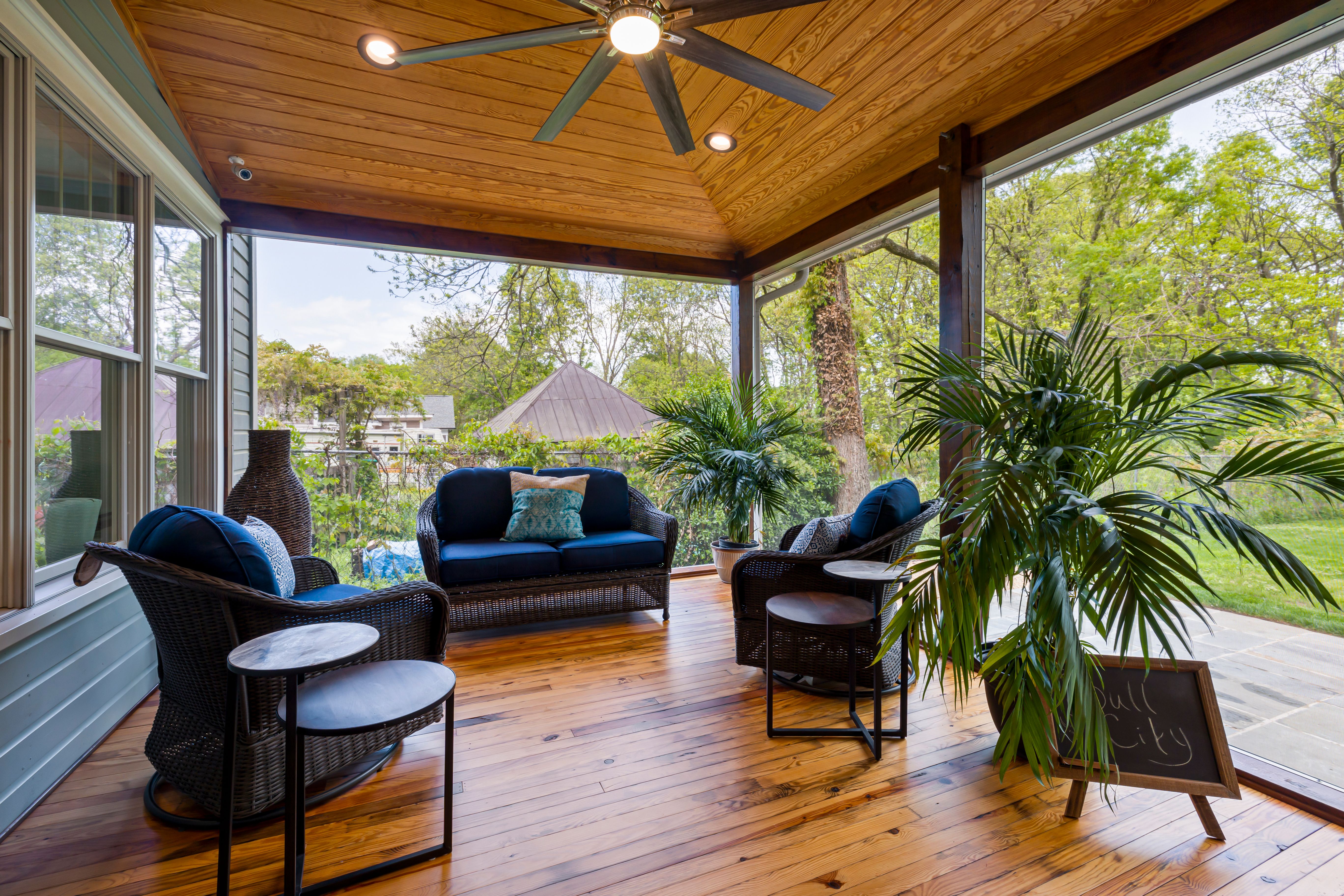
Furniture is where style and practicality meet most directly. Look for frames that resist rust, rot, and fading, and choose fabrics that are easy to wipe clean. Many people find that a durable frame with removable, washable cushions gives them the most flexibility over time.
If you want a look that stays neat without regular sanding or oiling, composite outdoor furniture is worth considering. It is designed to handle weather without the finishing routine that natural wood often requires.
When shopping for seating, keep these points in mind:
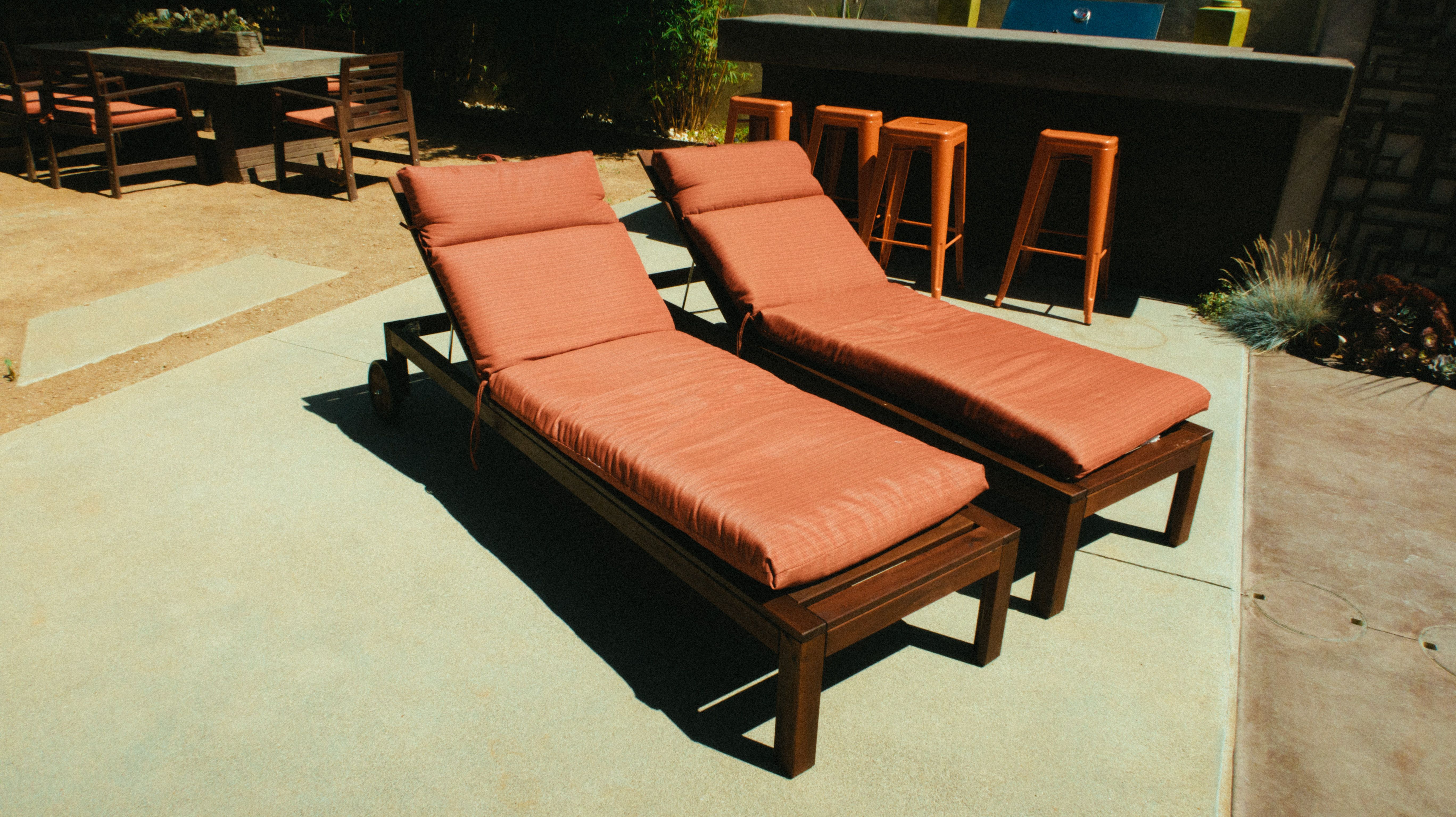
- Frame material: Powder-coated aluminum, synthetic wicker over aluminum, and composite frames tend to need less upkeep than untreated wood.
- Cushion fabric: Solution-dyed acrylic and quick-dry polyester resist fading and mildew better than cotton blends.
- Storage: A deck box or covered bench keeps cushions dry and protected when you are not using the space.
- Weight: Heavier pieces stay put in wind, which means less time spent rearranging after storms.
Build Hardscape With Stone and Gravel
Hardscaping, which includes stone, pavers, gravel, and concrete, often requires less upkeep than lawn or wood. Natural stone seating and fire pit surrounds add texture and warmth, and they hold up well to weather when built on a stable base. Pavers laid on compacted gravel with polymeric sand in the joints resist weeds and shifting better than loose setting materials.
Some practical tips for hardscape areas:
- Install a slight slope so rainwater runs away from the house and does not pool on the surface.
- Leave joints filled with sand or gravel to limit weed growth.
- Seal natural stone only if the manufacturer recommends it, since some stones look better left unsealed.
- Use a fire pit with a stable, non-combustible surround and follow local fire safety rules.
Plant a Low-Water Garden
Plants give an outdoor space softness and color, but they can also create the most work. The easiest approach is to choose species that suit your climate and need little supplemental water once established. The U.S. Environmental Protection Agency’s WaterSense program explains that choosing low-water-use or drought-tolerant plants suited to your region helps them survive with minimal watering.
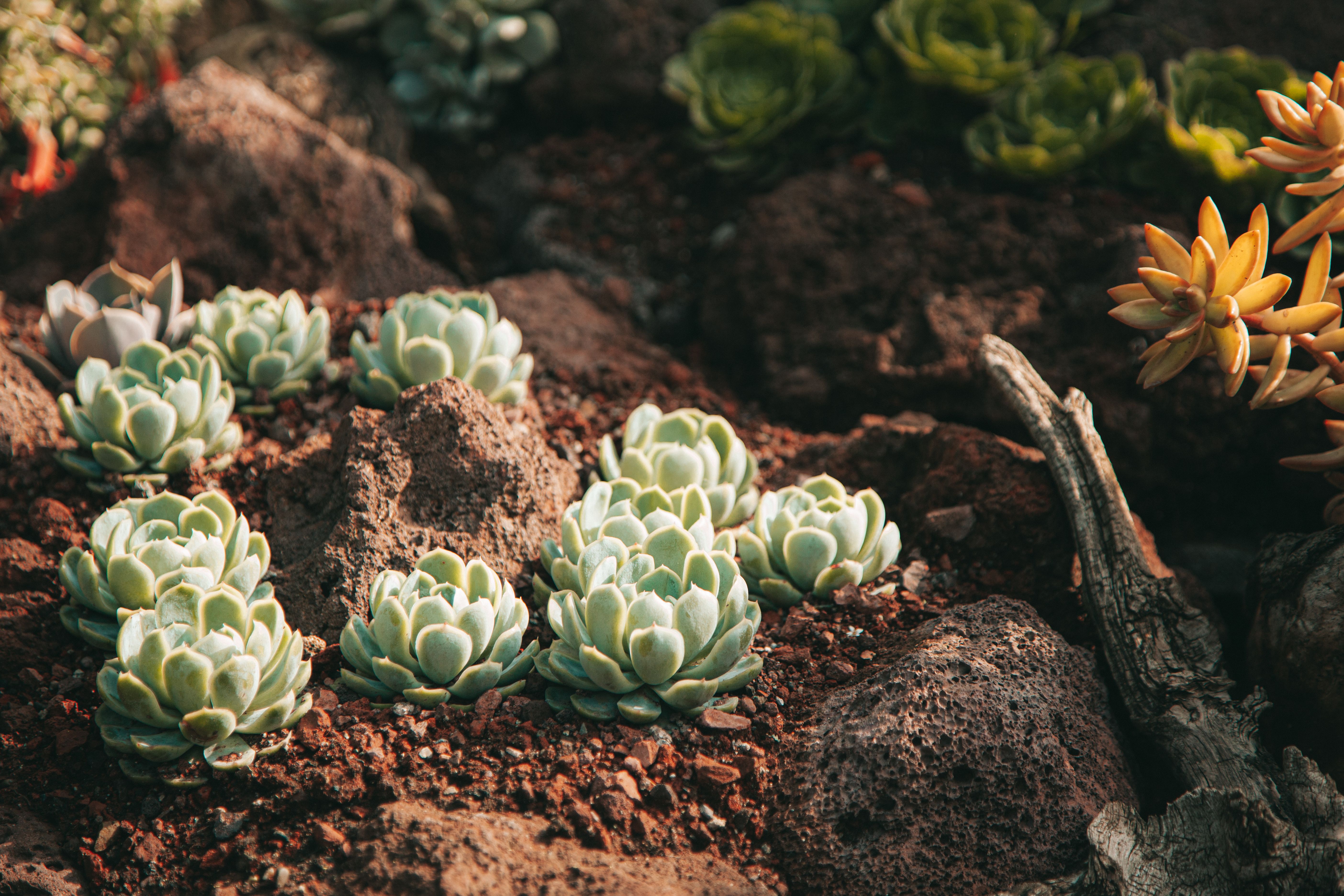
Extension programs also recommend a few habits that keep xeriscaped gardens tidy. The University of Arizona Cooperative Extension notes that xeriscape plants generally need less pruning when they are given enough room to grow, and that over-fertilizing can cause excessive, weak growth. Keep these guidelines in mind:
- Group plants by water needs: Cluster thirsty plants together so you do not overwater the drought-tolerant ones.
- Mulch the beds: A 2 to 3 inch layer of mulch holds moisture and suppresses weeds.
- Use native species when possible: Plants adapted to local rainfall and soil usually need less help.
- Water deeply but less often: Established plants develop deeper roots when watering is infrequent but thorough.
Add Lighting and Soft Layers
Good lighting turns an outdoor space into a place you want to use after dark. String lights, lanterns, and low path lights are easy to install and largely maintenance free. Choose weather-rated fixtures and LED bulbs, which use less energy and last longer than older bulb types.
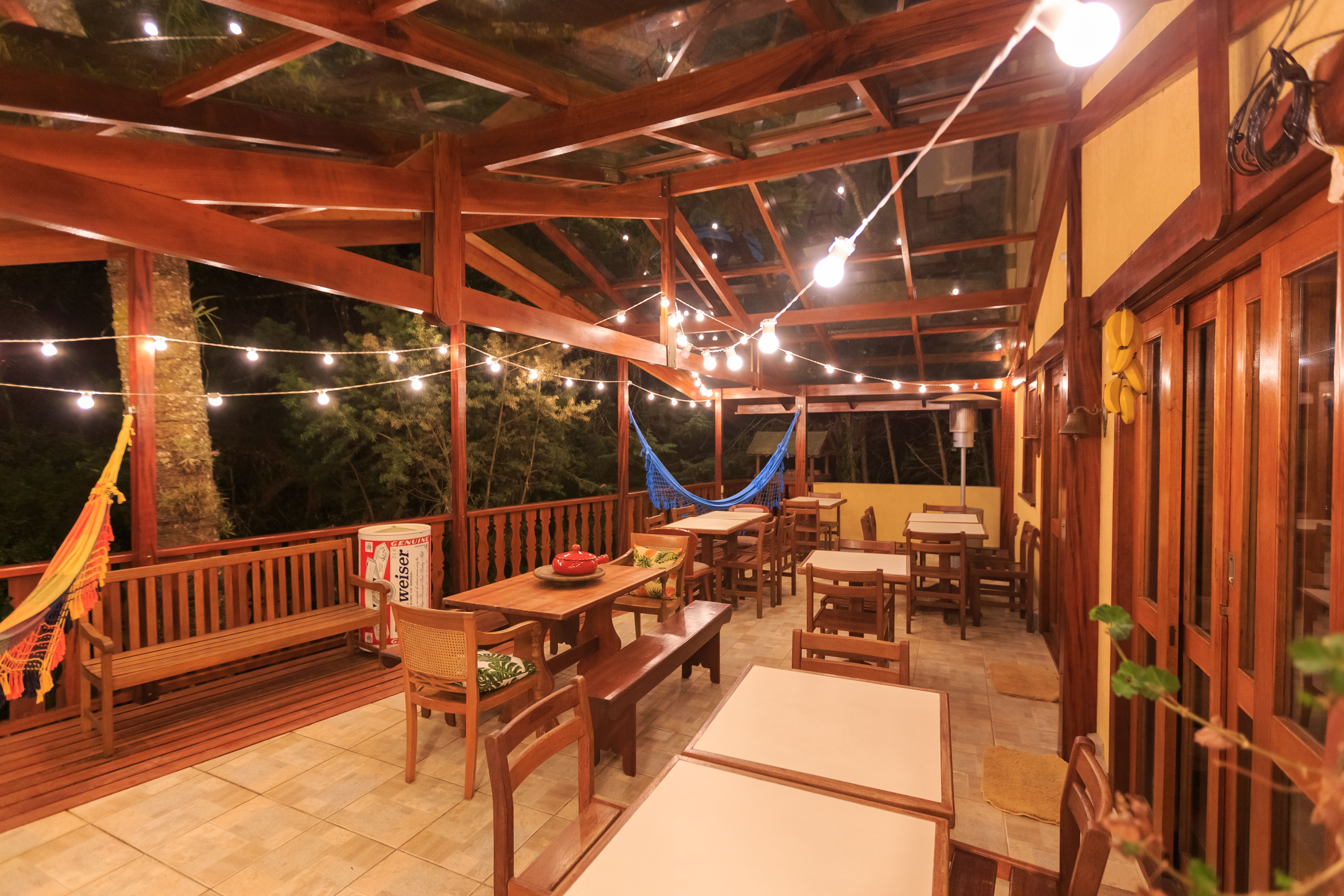
Layering also helps. Combine overhead string lights for general glow, lanterns on tables for mood, and low lights along steps for safety. Outdoor rugs and washable throws add comfort and color, and they can be swapped out easily when the look needs a refresh.
Follow a Simple Maintenance Routine
A low-maintenance space still benefits from a regular routine. A short schedule prevents small problems from becoming expensive repairs. A practical plan might look like this:
- Weekly: Sweep the deck or patio, remove fallen leaves, and wipe down tables.
- Monthly: Rinse cushions if needed, check for loose hardware, and tidy plant beds.
- Each spring: Deep clean surfaces, inspect railings and connections, refresh mulch, and check irrigation or drip lines.
- Each fall: Clean and store cushions, drain hoses, and cover or store furniture during heavy weather.
Keeping a simple log or photo record of each season can also help you spot changes early, such as loosening boards or a new drainage problem.
Final Thoughts
A stylish outdoor living space does not require constant work. Thoughtful planning, durable materials, weather-resistant furniture, and drought-tolerant plants can give you a place that looks good and feels welcoming for many seasons. Start with the layout, invest in the surfaces you touch most, and build a short routine you can keep. The result is an outdoor room that gets used, which is the real measure of a successful design.