
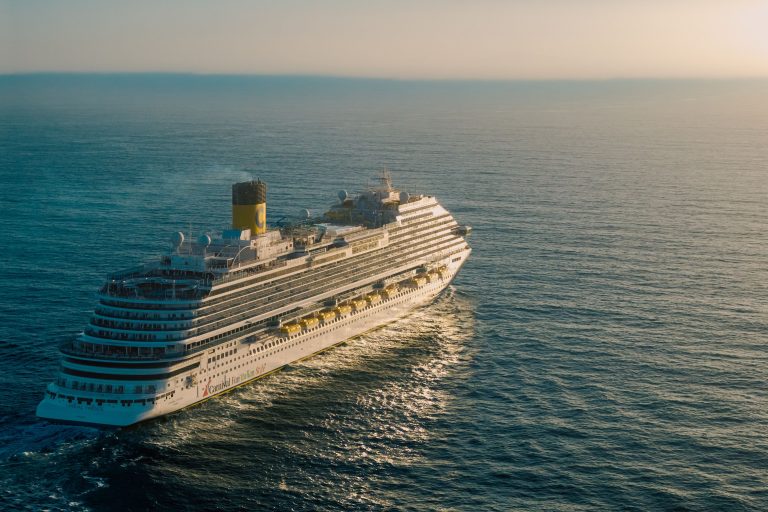
A cruise advertisement might show a fare of a few hundred dollars per person. That number can be real, but it is not necessarily the price of taking the trip. Flights or driving, a hotel near the port, daily gratuities and the extras you choose can change the total substantially.
For a practical starting point, a 2026 Consumer Reports article put the typical cost of a seven- to 10-day cruise at about $2,750 per adult, based on its 2025 survey of 18,850 members. That is a useful benchmark, not a guaranteed door-to-door budget: the final amount depends on itinerary, cabin, departure city and what you buy onboard.

Start with the fare, but don’t stop there
On many mainstream lines, the base fare covers your cabin, standard meals, entertainment and transport between ports. Taxes, fees and port expenses may be shown separately during booking, while airfare, hotels, transfers, travel insurance and shore excursions are usually outside the fare. Compare the checkout total for the exact sailing and cabin, not the “from” price in an advertisement.
A current Royal Caribbean example illustrates the gap between a low fare and a complete trip: its seven-night Western Caribbean sailing from Tampa was listed from $403.21 per person, with taxes and fees included. For two people, that is $806.42 for the cruise portion at the listed starting price, before gratuities, getting to Tampa, a hotel or optional spending. The price is sailing- and cabin-dependent and can change.
The fare also isn’t a fair comparison across cruise lines by itself. A higher-priced fare may bundle drinks, Wi-Fi or excursions that another line charges for separately. I’d compare what you would genuinely use, rather than assigning full retail value to a package perk just because the cruise line includes it.
What adds to the bill onboard?
Daily gratuities are easy to overlook because they may be prepaid or added to your onboard account. Royal Caribbean currently lists $18.50 per guest per day for most staterooms and $21 for suites. At the standard rate, two guests on a seven-night sailing would pay $259 in gratuities. The line also lists an 18% charge on certain beverage, dining and room-service purchases, and 20% on spa and salon services.
Specialty restaurants, alcoholic drinks, premium coffee, Wi-Fi, spa treatments, photos, casino play and some activities can all add to the account. A package may help if it matches your habits, but it is not automatically a saving. For one concrete comparison, Holland America lists its Signature beverage package at $55.95 per person per day before its stated 20% service charge. Two adults buying it for seven days would pay about $940 altogether, assuming that listed price and charge apply throughout. If you usually drink only what is included, skipping the package can be the better deal.
Ports: the excursion is only one possible expense
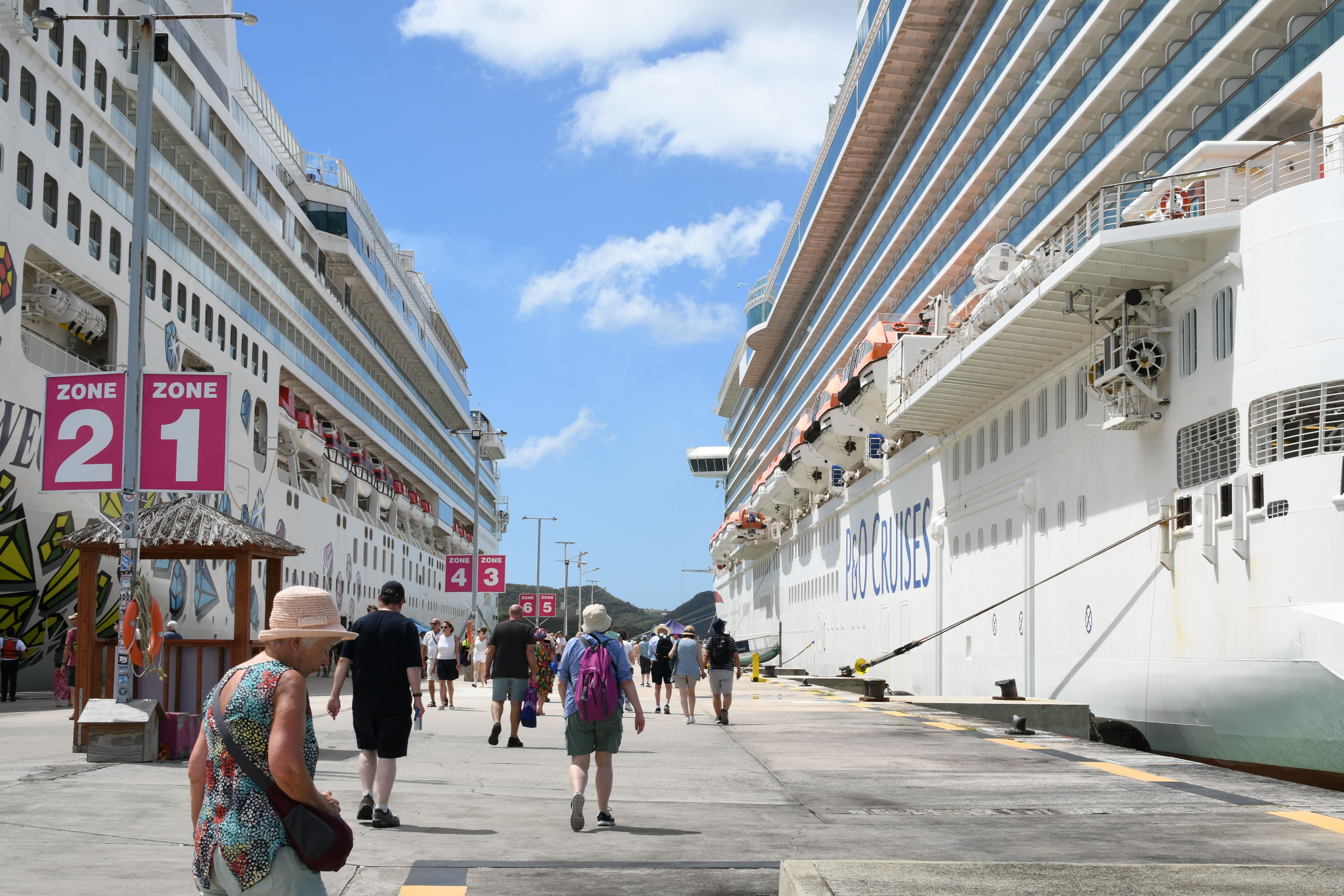
At each stop, budget for the activity itself as well as transport, food, drinks and any small purchases. You can often explore independently, but compare the time, distance and return-to-ship risk before deciding that a do-it-yourself day is cheaper. The cruise line’s excursion page is useful for seeing what is bundled into a tour.
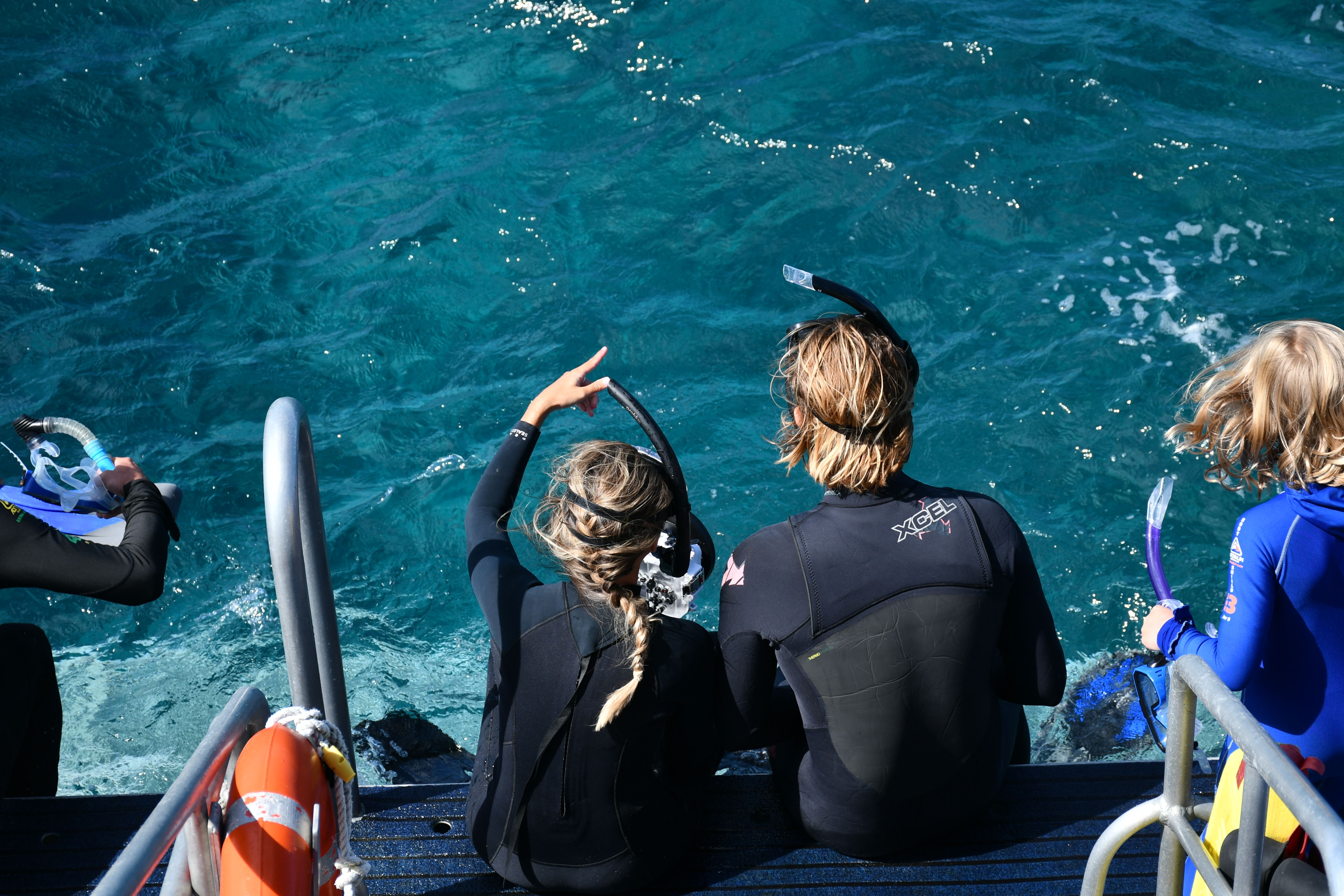
As one current example, Carnival lists a Cozumel beach-club and snorkeling excursion from $61.99 per adult. That is one tour on one line, not a typical price for every port; more involved outings can cost more, and prices vary by sailing and availability.
In Brisbane, shore-day spending can be as modest or activity-heavy as you choose. If you are extending the trip or planning an adult evening separately, keep that personal entertainment budget distinct from the cruise fare; a local listing such as Brisbane escorts is an independent option to evaluate, not a ship or port charge. Check prices and local rules directly rather than assuming they are included in any travel package.
The costs before and after embarkation
Flights, checked bags, airport-to-port transport, parking and a hotel night can turn a bargain sailing into a much larger trip. A pre-cruise hotel is especially worth considering if a delayed flight would mean missing departure. Insurance belongs in the calculation too: review what your existing health and travel coverage actually protects, including cancellation, medical care and evacuation, instead of treating insurance as a generic add-on.
For a London extension before or after a sailing, list the hotel, local transport, meals and sightseeing separately from the cruise. If adult nightlife is part of your own plans, London escorts is a separate personal-spending consideration rather than a cruise expense; confirm the cost and any relevant local requirements independently.
Likewise, if your route includes a Brisbane stay, count the extra nights and city transport as land-trip costs. A Pune extension would also be a separate land itinerary rather than something covered by an ocean-cruise fare; if adult entertainment is on your personal budget, Pune escorts is an independent listing to assess separately. The link does not establish a price or guarantee any particular service.
A worked example for two travelers
The calculation below uses one real starting fare and one published gratuity rate, both for Royal Caribbean. It is a partial total, not a claim that this is what everyone will pay.
| Cost item | Example for two people | What it covers |
|---|---|---|
| Seven-night cruise from Tampa | $806.42 | Two fares at the listed $403.21 starting price per person, including taxes and fees |
| Daily gratuities | $259 | Two guests × seven days × $18.50 |
| Known cruise subtotal | $1,065.42 | Before transportation, hotel, insurance, shore trips or optional onboard purchases |
That subtotal is a floor for planning around this particular example, not the final cost of a vacation. Add your actual flights or driving costs, any hotel and transfers, the shore activities you want, and the onboard extras you expect to buy. If you choose a balcony instead of the lowest-priced cabin, or sail on a holiday date, recalculate using the fare shown for your exact booking.
A simple way to set your cruise budget
- Record the full cruise price for your party, including taxes and port fees.
- Add daily gratuities for every traveler and night unless they are already included.
- Price the trip to the port: flights or fuel, bags, transfers, parking and a hotel if needed.
- Choose excursions and packages based on what you will actually use. Add the service charge where applicable.
- Set a separate allowance for port meals, local transport, souvenirs and personal spending.
- Check insurance coverage, payment deadlines and cancellation terms before you commit.
The useful question is not whether a cruise costs $400 or $2,000 per person in an advertisement. It is what the specific trip costs after you add the parts you cannot avoid and the extras you would willingly choose. Price those pieces before booking, and a cruise deal becomes much easier to judge.
How these figures were checked
The fare and Royal Caribbean gratuity example were checked against the line’s published sailing and FAQ pages on November 19, 2026. The Consumer Reports benchmark is based on its 2025 member survey and was published in April 2026. The excursion and beverage-package prices are examples from cruise-line pages, not universal rates. Prices, inclusions and service charges can change, so recheck the live booking terms before paying. All figures shown are in U.S. dollars.
Sources: Consumer Reports: cruise costs and survey benchmark; Royal Caribbean seven-night fare example; Royal Caribbean gratuity policy; Carnival Cozumel excursion; Holland America beverage packages.