

Instagram makes owning a dream home look effortless. There’s the bright kitchen, the enormous windows, the perfectly arranged furniture, and the backyard that seems made for summer evenings.
What you don’t see is the $9,000 HVAC replacement, the property tax bill, or the contractor explaining why your kitchen renovation needs another permit.
The hidden costs of a dream home can turn an exciting purchase into a financial headache. And some of the biggest surprises arrive long after you’ve unpacked your boxes.
Before committing to your dream property, here’s what deserves a place in your budget.
Key Takeaways
- Closing costs, inspections, and prepaid expenses can require substantial cash beyond your down payment.
- Property taxes, insurance, and HOA fees can make monthly ownership much more expensive than expected.
- Home repairs and maintenance need a separate budget, even when the property looks brand new.
- Renovation permits, professional drawings, and unexpected structural problems can increase project costs.
- Larger homes often come with higher utility bills, maintenance requirements, and furnishing expenses.
- Checking local regulations and obtaining actual estimates before buying helps prevent expensive surprises.
The Purchase Price Is Only the Beginning
Finding a house within your budget feels like a victory. Unfortunately, the listing price doesn’t tell you how much money you’ll actually need to become its owner.
Closing Costs and Upfront Expenses
Buyers often concentrate on saving for a down payment while overlooking the additional expenses involved in completing a purchase.
According to the Consumer Financial Protection Bureau, mortgage and homebuying expenses can include:
- Loan origination and underwriting fees
- Appraisal and title services
- Government recording fees and applicable taxes
- Home inspections
- Prepaid homeowners insurance
- Initial property tax and insurance escrow deposits
Some costs depend on your lender, location, and purchase agreement. Others are unavoidable parts of the transaction.
Before making an offer, request realistic closing estimates and review the cash you’ll need on settlement day.
The Inspection Doesn’t Guarantee a Trouble Free Home

A home inspection helps identify visible problems, but it can’t reveal everything hidden behind walls, beneath floors, or underground.
An aging sewer line, poor drainage, or an electrical system that needs major work might not become obvious until after moving in.
For older properties, consider specialized inspections when the home’s condition suggests additional risks. Spending a little more before closing could prevent a much larger financial problem later.
Monthly Expenses Can Be Higher Than Your Mortgage
That beautiful house doesn’t stop generating bills once you’ve made the purchase. Some expenses are predictable, while others change significantly over time. Here is how to calculate them:
Property Taxes and Insurance
Property taxes vary by location, and a previous owner’s tax bill might not reflect what you’ll eventually pay. Changes in assessed value, exemptions, or local tax rates can affect future bills.
Insurance presents another potential surprise.
A property exposed to hurricanes, wildfires, or flooding may involve higher premiums, deductibles, or separate coverage requirements.
The National Flood Insurance Program explains that most standard homeowners insurance policies don’t cover flood damage.
That waterfront dream home may therefore need insurance protection beyond the policy you initially expected.
HOA Fees and Special Assessments
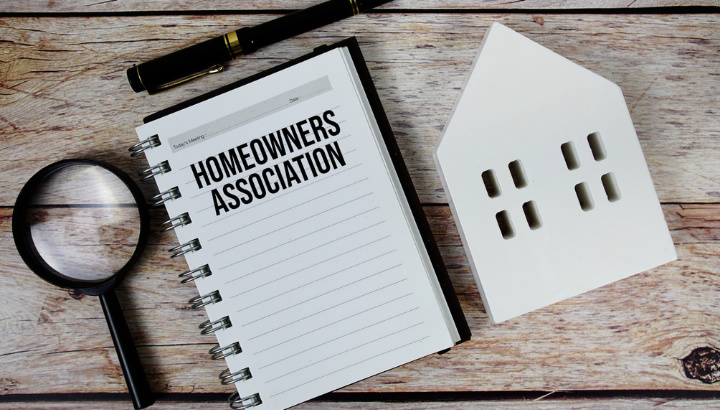
A community with landscaped grounds, a swimming pool, and private amenities might look wonderful in photos.
But someone pays to maintain those features.
Homeowners association fees may cover shared facilities, landscaping, security, and maintenance. Some associations can also charge special assessments when major repairs exceed available reserves.
Review the association’s financial statements, reserve funding, rules, and assessment history before buying.
Maintenance Is Where the Real Surprises Begin
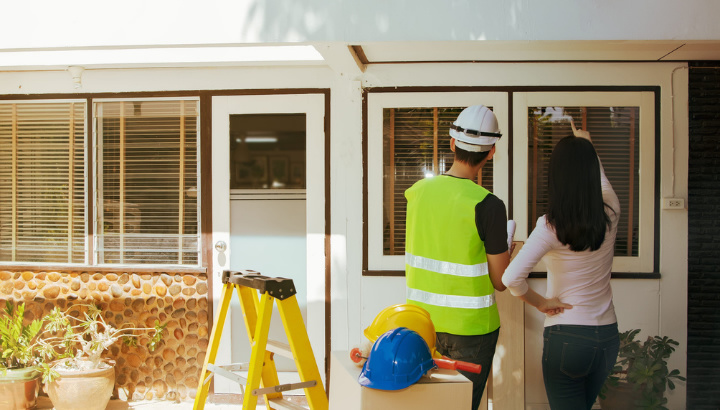
A house can look immaculate during a showing while expensive components approach the end of their useful lives.
Roofs, heating systems, water heaters, plumbing, and exterior surfaces eventually need attention. Larger properties simply give you more things to maintain.
Fannie Mae recommends budgeting approximately 1% to 4% of a home’s value annually for maintenance and repairs, depending partly on its age and condition.
For a $500,000 property, that means setting aside roughly $5,000 to $20,000 annually. It’s a planning guideline rather than a prediction of what you’ll spend each year.
Some years will be relatively inexpensive. Others might bring a roof repair and an unexpected plumbing emergency within weeks of each other.
Routine care also matters. Cleaning gutters, servicing HVAC equipment, and dealing with minor leaks early can help prevent larger problems.
Renovations Often Cost More Than the Original Quote
That kitchen makeover you saved on Instagram probably doesn’t show the plumbing changes, electrical work, or permit applications behind the finished room.
Even relatively straightforward improvements can become expensive when contractors uncover hidden damage or discover that existing installations don’t meet current requirements.
Permits, Drawings, and Local Regulations
View this post on Instagram
Depending on the project and location, homeowners may need permits for structural alterations, additions, electrical work, or plumbing modifications.
Some applications also require surveys, site plans, or technical drawings. Homeowners sometimes obtain permit drawings by Get A Site Plan when preparing documentation for proposed property changes. The local permitting office determines which documents and professional approvals are actually required.
Requirements vary considerably across the United States.
For example, the New York City Department of Buildings explains that most construction requires permits and that many projects require plans filed by a registered architect or professional engineer.
Meanwhile, in California’s coastal zone, certain development activities may require an additional coastal development permit under the California Coastal Act.
The same improvement can therefore involve different approvals depending on where the property is located.
Before starting renovations, ask the local building department what is required and budget for possible delays, inspections, and revisions.
Unexpected Work Behind the Walls
Once demolition begins, contractors may uncover damaged framing, outdated wiring, water intrusion, or other issues that weren’t included in the original estimate.
Set aside a contingency fund before renovations begin. For many projects, an additional 10% to 20% is a useful planning allowance, although older homes and complex work may need more.
The Everyday Costs Nobody Photographs
A bigger house can improve your living space, but it also increases the number of things that require money, attention, and regular upkeep.
Outdoor areas can become another ongoing expense, especially when a property has a large lawn, mature trees, or elaborate landscaping. Choosing a low-maintenance outdoor living space can help reduce the time and money spent on regular upkeep, without giving up a comfortable backyard.
Here are several expenses that deserve consideration before you buy.
| Hidden Expense | Why It Adds Up | What to Check Before Buying |
|---|---|---|
| Heating and cooling | Larger spaces and inefficient equipment increase energy consumption. | Previous utility bills, insulation, and HVAC age. |
| Landscaping | Lawn care, tree trimming, irrigation, and seasonal cleanup require ongoing spending. | Yard size, mature trees, and maintenance needs. |
| Furniture and window coverings | Extra rooms and unusually large windows may require additional purchases. | Room measurements and furnishing priorities. |
| Moving expenses | Packing, transportation, storage, and utility connections can increase upfront costs. | Written moving quotes and service charges. |
| Security and smart home equipment | Monitoring subscriptions, replacements, and equipment upgrades create recurring expenses. | Existing contracts and monthly service fees. |
Utility bills are particularly important when you’re moving from a smaller apartment into a large detached house.
Even with modern equipment, heating and cooling more square footage can be costly. Request past bills when available and pay attention to insulation, windows, and the age of major appliances.
And remember that furnishing every room immediately isn’t a requirement. Living with a few empty spaces is better than financing unnecessary purchases.
How to Build a Realistic Dream Home Budget

The goal isn’t to abandon the house you love. It’s to understand what ownership will actually cost before the financial commitment becomes difficult to reverse.
It’s also worth separating essential expenses from improvements that can wait. A backyard renovation, for example, doesn’t have to happen immediately after moving in. Simple changes can help you create a relaxing outdoor space without committing to expensive landscaping projects during your first year of homeownership.
Use this checklist when evaluating a property:
- Calculate the full purchase cost. Include the down payment, closing expenses, inspections, and moving costs.
- Estimate monthly ownership expenses. Add mortgage payments, taxes, insurance, HOA fees, and utilities.
- Research major systems. Ask about the roof, HVAC equipment, plumbing, electrical installations, and their maintenance history.
- Check renovation restrictions. Contact local authorities before assuming an addition or major improvement is allowed.
- Create separate savings. Keep maintenance reserves and emergency savings available rather than spending everything on the purchase.
- Prioritize improvements. Address safety concerns and essential repairs before cosmetic upgrades.
Most importantly, judge affordability against your normal income and spending habits, not the maximum mortgage amount a lender offers.
A house should leave room in your budget for savings, unexpected expenses, and the rest of your life.
Frequently Asked Questions
These are some of the most common questions buyers ask when trying to estimate the true cost of owning their ideal home.
The Best Dream Home Is One You Can Comfortably Afford
Those beautiful Instagram interiors rarely show the repair invoices, insurance renewals, or weekends spent maintaining the property.
None of that means you shouldn’t buy a home you love.
It simply means the real dream isn’t owning the most impressive house on your feed. It’s having a place you enjoy living in without worrying about whether the next unexpected bill will derail your finances.
Look beyond the photographs, run the numbers, and make sure the home fits your life as well as your budget.